
How to Hire a Florida Roofer in 2026: What Homeowners Need to Know
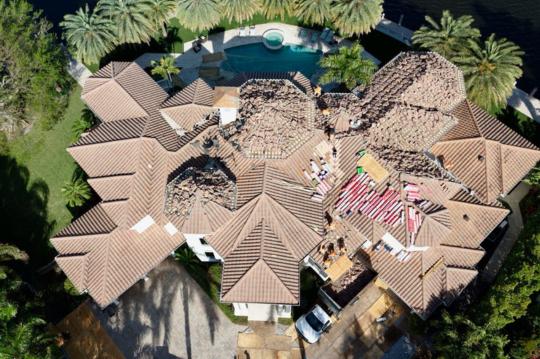
Hiring a roofing contractor in South Florida is very different from hiring one in any other state. Between strict hurricane-related building codes, insurance requirements, and licensing laws, choosing the wrong company can lead to expensive mistakes, code violations, and denied insurance claims.
That’s why the Florida Roofing and Sheet Metal Contractors Association (FRSA) created a guide titled “What Every Property Owner Should Know About Hiring a Roofing Contractor.” Below is a simplified version of that checklist—written for Palm Beach homeowners—and aligned with Florida’s most up-to-date roofing laws.
If you want a trusted, licensed, and insured local team, you can learn more about our services here:
Sun Catcher Roofing – Roof Repair Services
1. Make Sure the Contractor Understands the Florida Building Code
Florida has its own roofing codes—some of the strictest in the country—designed to protect homes from hurricanes, high winds, and heavy rain. Out-of-state roofers or unlicensed contractors are often not familiar with these laws, which can lead to:
- Failed inspections
- Voided warranties
- Insurance claim denials
- Unsafe roof installations
Learn more about the Florida Building Code here: https://floridabuilding.org/
2. Get a Clearly Written Proposal or Contract
Before any work starts, you should receive a written proposal or contract that explains:
- The full scope of work
- Roofing materials being used
- Total cost and payment schedule
- Estimated start and finish dates
- Warranty details for materials and labor
Most manufacturers offer material warranties, but they do not cover labor unless stated. And if an unlicensed roofer installs the roof, the manufacturer will not honor the warranty.
For local support and transparent contracts, visit: Sun Catcher Roofing – Roof Repair Services
3. Verify the Roofer’s Florida License
This is one of the most important steps.
Before signing anything, check the contractor’s license with the state:
- Call DBPR: 850-487-1395
- Search online: https://www.myfloridalicense.com
The Florida Department of Business & Professional Regulation (DBPR) will tell you:
- Whether the roofer has an active license
- What type of license do they hold?
- If any complaints or violations have been filed
Do not hire a roofer who cannot supply a valid license number.
4. Confirm Workers’ Compensation and General Liability Insurance
Florida law requires roofing contractors to carry both:
- Workers’ Compensation Insurance
- General Liability Insurance
Without these, the homeowner may be held financially responsible if a worker is injured or property is damaged.
You can verify coverage here:
- Florida DFS Workers’ Comp Division: 850-413-1601
- https://www.myfloridacfo.com/division/wc/
Always ask for current certificates of insurance before signing.
5. Be Careful With Large Up-Front Payments
Be cautious if a roofing contractor asks for a large deposit before any work begins. This is a major red flag. Reputable Florida roofing companies typically request:
- A reasonable deposit
- Payment as work progresses
- Final payment after inspection or completion
Avoid storm chasers and out-of-state companies that pressure you to pay everything up front.
6. The Contractor Must Pull the Building Permit — Not You
In Florida, the roofing contractor is legally required to pull the building permit.
If a contractor asks you to get the permit yourself, do not proceed.
Why this matters:
- Homeowner becomes legally responsible
- Insurance coverage may be affected
- Suggests the roofer may not be licensed
The permit must be posted on your property before work begins.
7. Get a Lien Waiver on Final Payment
A lien waiver protects you from subcontractors or material suppliers placing a lien on your home if the roofing company fails to pay them.
Always request a lien waiver when:
- Making the final payment
- Making any large lump-sum payment
If a contractor refuses to provide one, that’s a warning sign.
8. What to Do If the Contractor Fails to Deliver
If your contractor does not follow the terms of your contract or operates without a license, you have legal recourse:
- Report licensed contractor issues:
DBPR – 850-487-1395 - Report unlicensed activity:
DBPR – 866-532-1440 - Florida Construction Industry Licensing Board:
https://www.myfloridalicense.com
Talk to a Roofing Expert Today
Hiring a Florida roofing contractor doesn’t have to be stressful, if you follow the right checklist. These steps protect you legally, financially, and structurally, making sure you get the roof you paid for and the warranty you deserve.
If you’d like a licensed, insured, and trusted Palm Beach roofing contractor, our team is here to help.



Leave a Reply
Want to join the discussion?Feel free to contribute!