
Solar Panels Boca Raton: Benefits & 2026–2027 Incentives
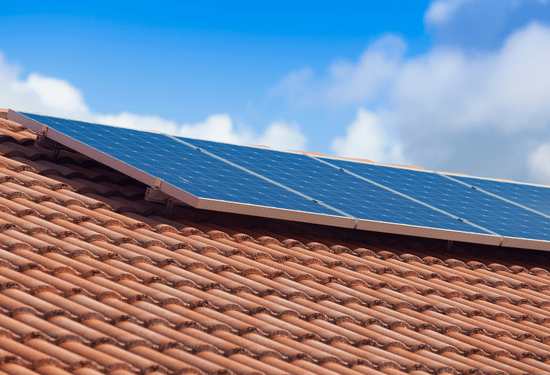
Benefits of Solar for Homeowners in Boca Raton and Palm Beach County
With abundant Florida sunshine and rising interest in controlling household energy costs, solar power continues to be an attractive option for homeowners in Boca Raton, Palm Beach County, and Broward County. A properly designed residential solar energy system can help reduce reliance on utility-supplied electricity, provide greater control over long-term energy costs, and turn unused roof space into a source of clean electricity.
For South Florida homeowners considering solar panels in 2026 or planning a project for 2027, understanding your roof, energy usage, available tax exemptions, and current solar incentives is an important first step.
Sun Catcher Roofing provides residential solar energy solutions and solar panel installations for homeowners throughout Boca Raton, Palm Beach County, Broward County, and surrounding South Florida communities.
Why Solar Makes Sense for South Florida Homeowners
South Florida homes receive significant sunlight throughout the year, giving homeowners an opportunity to generate electricity directly from their property. Solar photovoltaic (PV) panels convert sunlight into electricity that can be used throughout the home.
While every home’s energy consumption, roof configuration, shading, and solar production potential are different, there are several reasons homeowners in Boca Raton and Palm Beach County consider installing solar.
1. Reduce Your Reliance on Utility Electricity
One of the biggest benefits of residential solar is the ability to generate electricity at home. During daylight hours, solar panels can produce power that can be consumed directly by your household.
The amount a homeowner can potentially save depends on several factors, including:
- Current electricity consumption
- Solar system size
- Roof orientation and available space
- Shade from trees and nearby structures
- Solar panel efficiency
- Utility rates and applicable utility programs
- Financing costs, if applicable
A professional solar evaluation can help determine the appropriate system size based on your home’s historical electricity consumption and available roof area.
2. Take Advantage of South Florida Sunshine
Boca Raton, Delray Beach, Boynton Beach, West Palm Beach, Fort Lauderdale, Deerfield Beach, and surrounding communities offer a climate well suited for solar electricity generation.
Solar systems are designed to generate electricity whenever sufficient sunlight is available. That makes South Florida’s climate an important advantage when evaluating the long-term potential of residential solar.
3. Protect Yourself Against Future Energy Cost Increases
Utility rates can change over time. Installing solar allows homeowners to generate a portion of their electricity on their own property rather than purchasing every kilowatt-hour from the electric grid.
Solar should not be viewed as a guarantee against future electricity costs, but producing your own electricity can reduce your exposure to changes in utility rates.
4. Florida’s Solar Sales Tax Exemption Can Reduce Upfront Costs
One important Florida solar incentive remains available in 2026.
Under Florida law, qualifying solar energy systems and eligible components are exempt from Florida sales and use tax. The exemption can apply to qualifying equipment such as photovoltaic components, solar collectors, energy storage units, controls, and accessories that are integral to the qualifying solar system.
Florida’s general state sales tax rate is 6%, so this exemption can represent meaningful savings compared with purchasing otherwise taxable equipment.
Homeowners can learn more directly from the Florida Department of Revenue.
5. Residential Solar Receives Favorable Florida Property Tax Treatment
Homeowners are often concerned that improving their property with solar panels could result in a higher property tax assessment.
Florida law provides favorable treatment for qualifying renewable energy devices installed on residential property. Under Florida Statute 193.624, the value attributable to a qualifying renewable energy source device is not considered when determining the assessed value of residential real property.
This means homeowners may be able to improve their property with a qualifying solar energy system without the solar system’s value being included in the home’s assessed value for property tax purposes, subject to the applicable Florida requirements.
Homeowners can review the current law through the Florida Legislature’s official website.
Solar Incentives for Broward and Palm Beach County in 2026 and 2027
Solar incentives have changed substantially, so homeowners should be careful when reading older articles that advertise incentives that are no longer available.
Federal Residential Solar Tax Credit
The previous 30% federal Residential Clean Energy Credit is not available for new residential solar expenditures made after December 31, 2025 under current federal law.
Before the change, eligible homeowners could claim a federal tax credit equal to 30% of qualified residential clean-energy expenditures. Federal legislation enacted in 2025 accelerated the termination of the Residential Clean Energy Credit.
As a result, homeowners planning new residential solar installations in 2026 or 2027 should not calculate their project economics assuming they will receive the former 30% federal residential solar credit.
Because federal tax laws can change, homeowners should review the latest guidance from the Internal Revenue Service and consult a qualified tax professional before making a purchasing decision.
Florida Solar Sales Tax Exemption
Status for 2026: Available under current Florida law.
Qualifying solar energy systems are exempt from Florida sales and use tax. This remains one of the most important statewide financial benefits available to Florida homeowners considering solar.
Florida Residential Property Tax Treatment
Status for 2026: Available under current Florida law.
Florida law provides that the value attributable to qualifying renewable energy devices is not considered when determining the assessed value of residential property.
Broward County and Palm Beach County Solar Programs
Local solar programs, group purchasing opportunities, financing programs, and utility offerings can change from year to year. Homeowners in Broward and Palm Beach counties should verify the availability and eligibility requirements of any local program before signing a solar contract.
For current local information, homeowners can visit Broward County or Palm Beach County.
Should You Replace Your Roof Before Installing Solar Panels?
This is one of the most important questions for South Florida homeowners considering solar.
Solar panels are designed as long-term improvements. If your roof is approaching the end of its service life, installing solar first could mean removing and reinstalling the panels when the roof eventually needs replacement.
Before installing solar, homeowners should have the roof evaluated for:
- Roof age and remaining service life
- Existing leaks or moisture intrusion
- Damaged or deteriorated roofing materials
- Deck and structural conditions
- Roof drainage
- Flashing and penetrations
- Available area for solar panels
When roof replacement is already necessary, coordinating the residential roofing and solar installation as part of one overall project can create a cleaner installation strategy and help avoid unnecessary future work.
Solar for Tile, Metal and Flat Roofs in South Florida
South Florida has a diverse mix of roofing systems, and solar mounting requirements vary depending on the roof.
Tile Roofs
Concrete and clay tile roofs are common throughout Boca Raton and Palm Beach County. Solar installations must be carefully coordinated to protect tiles, roof underlayment, flashings, and waterproofing.
Metal Roofs
Metal roofing can provide an excellent platform for solar when the system and attachment method are properly designed for the roof configuration.
Flat Roofs
Flat and low-slope roofing systems require careful consideration of drainage, waterproofing, equipment placement, and penetrations. The solar layout should work with the roofing system rather than interfere with its long-term performance.
Explore Sun Catcher Roofing’s roofing systems to learn more about roofing options for South Florida homes.
What About Solar Battery Storage?
Battery storage allows compatible solar systems to store electricity for later use instead of relying solely on real-time solar production.
Homeowners considering battery storage should understand that simply having rooftop solar panels does not necessarily mean the home will have electricity during a utility outage. Backup capabilities depend on the system design, inverter, battery configuration, electrical equipment, and installation.
A properly designed solar-plus-storage system can provide additional energy flexibility, but homeowners should discuss their backup-power goals with their solar contractor before choosing equipment.
How Much Solar Does a Boca Raton Home Need?
There is no single solar system size that works for every South Florida home.
A solar professional should evaluate your home’s historical electricity consumption, roof dimensions, orientation, shading, electrical equipment, available installation area, and your future energy goals.
A larger home with a pool, multiple air-conditioning systems, electric vehicles, or other high-energy equipment may require a substantially different solar design than a smaller home.
Questions to Ask Before Installing Solar in Palm Beach County
- How old is my existing roof?
- Should the roof be repaired or replaced before solar installation?
- How much electricity did my home use during the previous 12 months?
- How much electricity is the proposed system estimated to generate?
- What assumptions were used to calculate projected savings?
- What solar panel and inverter manufacturers are being proposed?
- What warranties are included?
- How will the solar system attach to my roofing system?
- Who is responsible if the roof leaks around a solar attachment?
- What happens if my roof needs repairs after the panels are installed?
- Does the system include battery storage?
- How will the system perform during a power outage?
- What permits and utility approvals are required?
Roofing and Solar Expertise Under One Roof
A solar system and roofing system need to work together for decades. That’s particularly important in South Florida, where roofs are exposed to intense sunlight, heavy rain, wind, humidity, and tropical weather.
Sun Catcher Roofing provides roofing and solar solutions for residential properties throughout Boca Raton, Boynton Beach, Delray Beach, West Palm Beach, Wellington, Fort Lauderdale, Deerfield Beach, Parkland, Pompano Beach, Coral Springs, and surrounding South Florida communities.
Our team can evaluate your roof, discuss your energy goals, and help determine whether solar is a good fit for your property.
Considering Solar Panels for Your Boca Raton or Palm Beach County Home?
If you’re researching solar panels in Boca Raton, Palm Beach County, or Broward County, start by evaluating both your roof and your home’s energy needs.
Learn more about Sun Catcher Roofing’s residential solar energy services, or contact Sun Catcher Roofing to request an evaluation for your home.
Solar incentives, tax laws, utility programs, financing terms, and eligibility requirements can change. Information in this article is based on programs and laws reviewed in September 2026 and is provided for general informational purposes. Homeowners should verify current requirements with the applicable government agency, utility provider, and tax professional before making financial or tax decisions.


Leave a Reply
Want to join the discussion?Feel free to contribute!