
Super El Niño: 5 Emergency Roofing Problems Facing Boca Raton Homeowners
Super El Niño and Record-Breaking Rainfall: 5 Emergency Roofing Problems Boca Raton Homeowners Should Watch For
South Florida’s traditionally dry winter season is shaping up to be anything but dry. With record-breaking rainfall, frequent thunderstorms, and the development of what many are calling a “Super El Niño,” homeowners throughout Boca Raton and Palm Beach County should pay close attention to the condition of their roofs and home exteriors.
According to the Florida Climate Center, between September 1 and November 18, 2026, rainfall totals exceeded seasonal averages by 21.89 inches in West Palm Beach and 27.51 inches in Fort Lauderdale, putting both cities on track for their wettest fall on record.
The National Weather Service’s 2026-2027 South Florida winter outlook also anticipates an increased likelihood of rainfall and storm activity throughout the coming months.
At Sun Catcher Roofing, we encourage homeowners to take a proactive approach to identifying potential roof leaks and water intrusion before minor problems become expensive emergency repairs.
How Super El Niño Affects Boca Homes
El Niño is a naturally occurring climate pattern associated with warmer-than-average ocean temperatures in the tropical Pacific. A particularly strong event, commonly referred to as a Super El Niño, can influence South Florida’s winter weather patterns.
For Boca Raton homeowners, this can mean an increased risk of:
- Frequent and prolonged rainfall
- Severe thunderstorms and damaging wind gusts
- Wind-driven rain entering vulnerable areas
- Overwhelmed roof drainage systems
- Moisture accumulation and mold growth
- Recurring roof leaks and interior water damage
Repeated storms can leave roofing materials, exterior walls, and surrounding areas with little opportunity to dry out. Small deficiencies that may have gone unnoticed during drier weather can quickly become significant sources of water intrusion.
5 Emergency Roofing Problems Caused by Frequent Storms
1. Cracked, Broken, or Displaced Roof Tiles
Tile roofing is common throughout Boca Raton, particularly in residential communities and luxury waterfront properties. Strong winds, falling branches, and flying debris can crack or displace roof tiles, exposing the underlying waterproofing system to additional weather exposure.
While the tiles provide the first layer of weather protection, the underlayment beneath them plays a critical role in preventing water intrusion.
What to look for:
- Missing or visibly damaged roof tiles
- Displaced ridge and hip tiles
- Roofing debris around your property
- Water stains appearing on interior ceilings
Recommended action: Schedule a professional roof inspection to determine whether the damage extends beyond the tiles into the waterproofing underlayment.
2. Roof Valley and Drainage Problems
Roof valleys collect and direct rainwater away from intersecting roof sections. During periods of intense rainfall, these areas can carry substantial volumes of water.
Leaves, branches, and accumulated debris can restrict drainage, allowing water to collect or enter vulnerable roofing details.
What to look for:
- Debris buildup in roof valleys
- Overflowing gutters
- Water stains near interior roof intersections
- Water collecting near roof transitions
- Damaged or deteriorated valley flashing
Recommended action: Have a roofing professional inspect valley flashings, remove problematic debris, and evaluate the condition of the underlying waterproofing system.
3. Failed Flashing Around Roof Penetrations
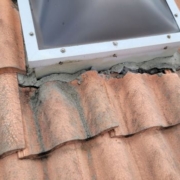
Roof penetrations are among the most vulnerable areas for water intrusion. Plumbing vents, skylights, chimneys, exhaust vents, and rooftop mechanical equipment all require properly installed flashing to maintain a watertight roofing system.
Over time, sealants and flashing materials can deteriorate due to Florida’s intense sunlight, heat, moisture, and repeated weather exposure.
What to look for:
- Water stains around skylights
- Moisture near bathroom or kitchen exhaust vents
- Cracked or deteriorated sealants
- Loose, damaged, or corroded metal flashing
- Leaks near chimneys or rooftop equipment
Recommended action: Have damaged flashing professionally repaired or replaced. Applying additional sealant without identifying the source of the leak may only provide temporary relief.
4. Flat Roof Ponding and Waterproofing Failures
Many Boca Raton homes feature flat or low-slope roofing sections over garages, patios, additions, balconies, and living spaces.
Extended periods of rainfall can expose drainage deficiencies, deteriorated membranes, open seams, and failing waterproofing details.
What to look for:
- Standing water that remains after storms
- Blocked drains or scuppers
- Blistering or bubbling roofing materials
- Open membrane seams
- Interior leaks beneath flat roof sections
Recommended action: Schedule an inspection to evaluate the membrane, drainage system, flashings, and potential moisture beneath the roofing assembly.
5. Wind-Driven Rain and Building Envelope Leaks
Not every water leak originates from the roof. During severe storms, wind-driven rain can enter a home through deteriorated exterior components and openings in the building envelope.
Repeated exposure to heavy rain can reveal deficiencies around windows, doors, exterior walls, balconies, and roof-to-wall transitions.
What to look for:
- Water stains around windows and doors
- Cracks in exterior stucco
- Deteriorated exterior sealants
- Moisture along interior walls
- Leaks near balconies and terraces
- Damaged roof-to-wall flashing
Recommended action: Have the affected areas professionally evaluated to determine whether the source of water intrusion is the roofing system or another component of the building envelope. Identifying the actual source is essential to making an effective repair.
Where to Inspect After a Major Storm
Homeowners should perform a visual inspection after severe weather when conditions are safe. Many early signs of water intrusion can be identified without climbing onto the roof.
Exterior Inspection Checklist
- Roof tiles, shingles, and metal panels
- Roof valleys, ridges, and hips
- Gutters and downspouts
- Fascia and soffits
- Skylights and roof penetrations
- Exterior stucco and wall cracks
- Window and door seals
- Balconies and roof-to-wall transitions
- Flat roof drainage outlets
- Ground-level drainage around the foundation
Interior Inspection Checklist
- Ceiling discoloration or water stains
- Peeling or bubbling paint
- Musty odors
- Damp drywall
- Moisture around windows
- Warped flooring or baseboards
- Visible mold or mildew
- Signs of moisture in safely accessible attic areas
Safety Tip: Never climb onto a wet roof or attempt roof repairs during a storm. Wet roofing surfaces are extremely slippery, and damaged roofing materials may conceal structural problems. Leave rooftop inspections and repairs to qualified professionals.
What to Do If You Discover a Roof Leak
Taking immediate action can help minimize interior damage and reduce the potential cost of repairs.
- Prioritize safety: Keep everyone away from sagging ceilings, unstable materials, wet electrical fixtures, and affected electrical equipment. Leave the area if structural damage is suspected.
- Protect your belongings: When safe, move furniture, electronics, rugs, and valuables away from the affected area.
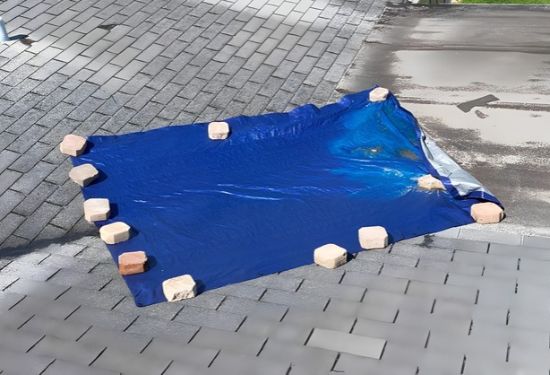
- Contain the water: Use buckets, towels, or protective coverings to limit water damage where there are no electrical or structural hazards.
- Document the damage: Take photographs and videos of visible water stains, damaged belongings, and affected areas for your records and potential insurance claims.
- Contact a licensed roofing contractor: Schedule a professional inspection to identify the source of the leak and determine the appropriate temporary or permanent repairs.
- Notify your insurance company: If significant storm damage has occurred, contact your insurance provider and follow its reporting and documentation requirements.
- Address moisture quickly: Arrange for safe drying and professional water remediation when necessary to reduce the potential for mold growth and additional interior damage.
The U.S. Environmental Protection Agency (EPA) recommends drying water-damaged materials within 24 to 48 hours whenever possible to help prevent mold growth.
Do Not Wait Until the Next Storm
One of the biggest mistakes homeowners make is assuming a roof leak has resolved itself simply because the rain has stopped.
Water can remain trapped beneath roof tiles, roofing membranes, insulation, and other building materials. Repeated moisture exposure can contribute to wood rot, damaged roof decking, mold growth, and costly interior repairs.
With South Florida facing an unusually active winter weather pattern, addressing roofing problems between storms is particularly important. Even if your roof is not actively leaking, visible storm damage or recurring moisture stains should be investigated.
Homeowners can monitor upcoming storms, weather advisories, and flood alerts through the National Weather Service Miami-South Florida website.
Schedule a Free Roof Inspection Today
At Sun Catcher Roofing, we understand the unique challenges that South Florida’s climate presents for residential roofing systems. Our team provides professional roof inspections, leak detection, storm damage assessments, and roofing repairs for homeowners throughout Boca Raton and surrounding Palm Beach County communities.
From clay and concrete tile roofing to standing seam metal, shingles, and flat roofing systems, we help homeowners identify potential problems and recommend appropriate repairs before additional damage occurs.
Do not let the next storm turn a minor roofing problem into a major home repair.
Contact Sun Catcher Roofing today to schedule your free roof inspection and get your home ready for the storms ahead.





Leave a Reply
Want to join the discussion?Feel free to contribute!